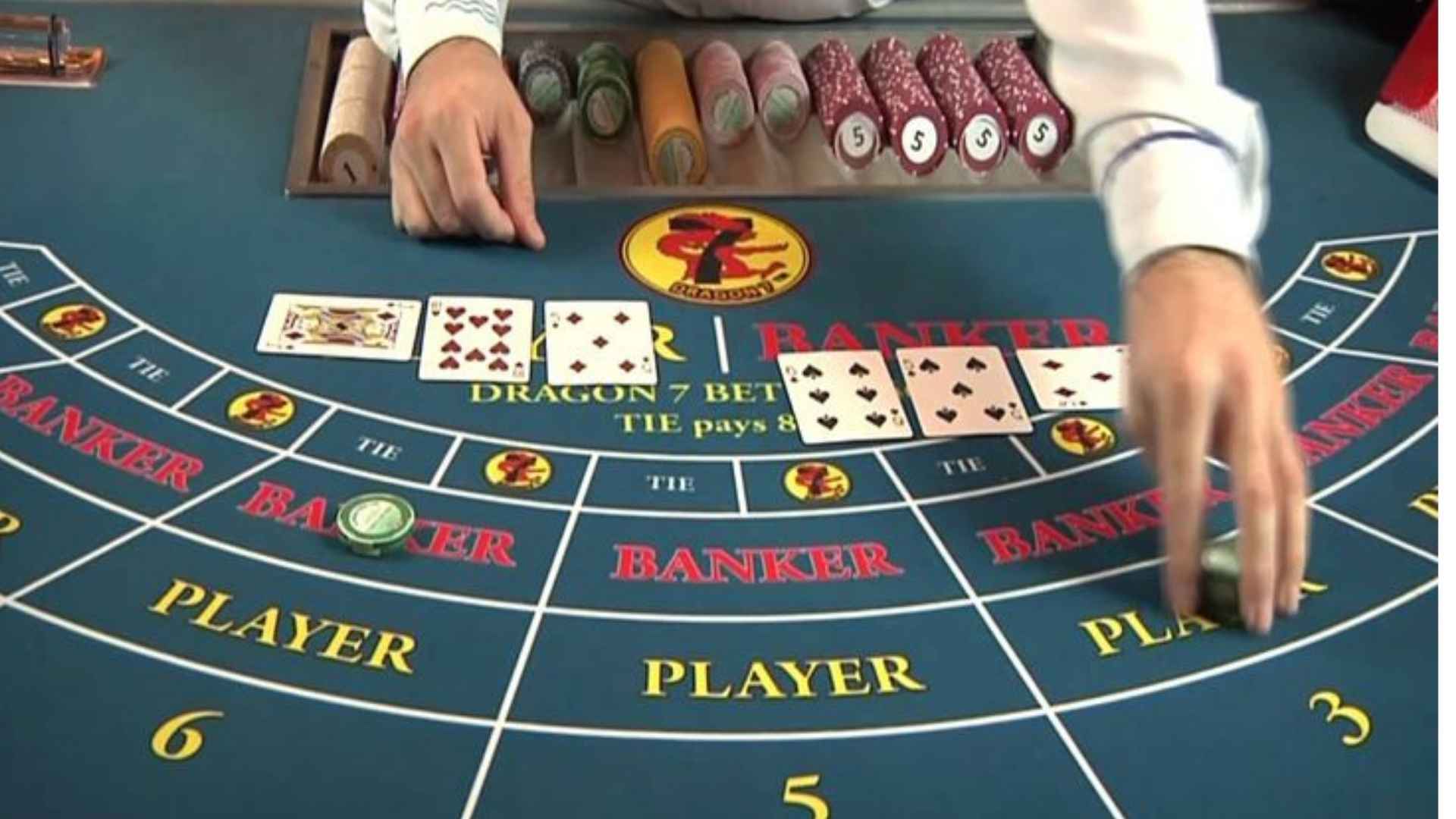
Mastering the classic game of contract bridge relies heavily on the unspoken synergy and deep understanding established between teammates sitting across the table. True competitive success emerges when two distinct minds learn to synchronize their logical frameworks and tactical expectations seamlessly over every dealt hand. Developing specific collaborative systems transforms standard card play into a highly efficient exercise in cooperative intelligence and strategic foresight.
The Coded Dialogue of the Auction Phase
The initial bidding process functions as the primary vehicle for critical information exchange before a single card is actually played to a trick. Partners must rely on standard bidding conventions to accurately convey their exact hand strength and suit distribution without violating strict communication rules. Establishing a thoroughly shared tactical vocabulary ensures that both players arrive at the optimal final contract level consistently.
Misunderstandings during the opening auction phase frequently lead to severe defensive penalties or completely missed game opportunities at tournament tables. Successful duos spend considerable time reviewing modern bidding variations to successfully handle unexpected competitive interference from active opponents. Utilizing the reliable M88 platform can provide an excellent training ground for testing various strategic card layouts that sharpen analytical capabilities.
Defensive Signals and Collaborative Trust
Defending against an ambitious opponent contract demands a high degree of mutual trust and precise visual tracking from both partners. Opening leads and subsequent card drops serve as critical signals that guide your partner toward the most effective defensive path available. Recognizing whether a teammate is playing a high-low attitude signal can instantly change the defensive flow of the entire hand.
Failing to coordinate defensive efforts allows skilled declarers to establish their long suits and secure victory with absolute ease. Partners must remain highly observant throughout the session, tracking subtle discard patterns to deduce the exact distribution of unseen cards. Maintaining disciplined signaling habits eliminates unnecessary guesswork and strengthens the team defensive shield under intense tournament pressure.
Managing Entry Layouts and Declarer Control
When executing a challenging contract, the relationship between the declarer hand and the dummy requires careful logistical management from the start. Creating a detailed tactical roadmap before playing a single card from the dummy prevents costly entry blocks later in the deal. Partnerships thrive when both players anticipate potential communication blockages across both combined hands before problems arise.
Proper entry management allows competitive teams to maximize their trick-taking capabilities and utilize complex finesses efficiently. Rushing into early plays without calculating the necessary transit points frequently strands winning cards behind enemy defensive lines. Patience and logical foresight remain the definitive cornerstones of master declarer execution across diverse tournament layouts.
Continuous Review and Psychological Alignment
Long-term partnership growth depends heavily on regular post-game analysis and open, constructive technical discussions between matches. Reviewing complex deals together helps teammates identify repetitive logical missteps and systematically refine their shared competitive agreements over time. Overcoming these structural errors strengthens mutual confidence and prepares the alliance for higher stakes tournaments.
Maintaining emotional stability and mutual support during unexpected setbacks prevents cognitive fatigue and frustration at the card table. Smarter alliances realize that mistakes are simply valuable data points intended for future strategic adjustments and improvements. Dedicated cultivation of these collaborative habits ultimately transforms casual card enthusiasts into exceptional bridge strategists.