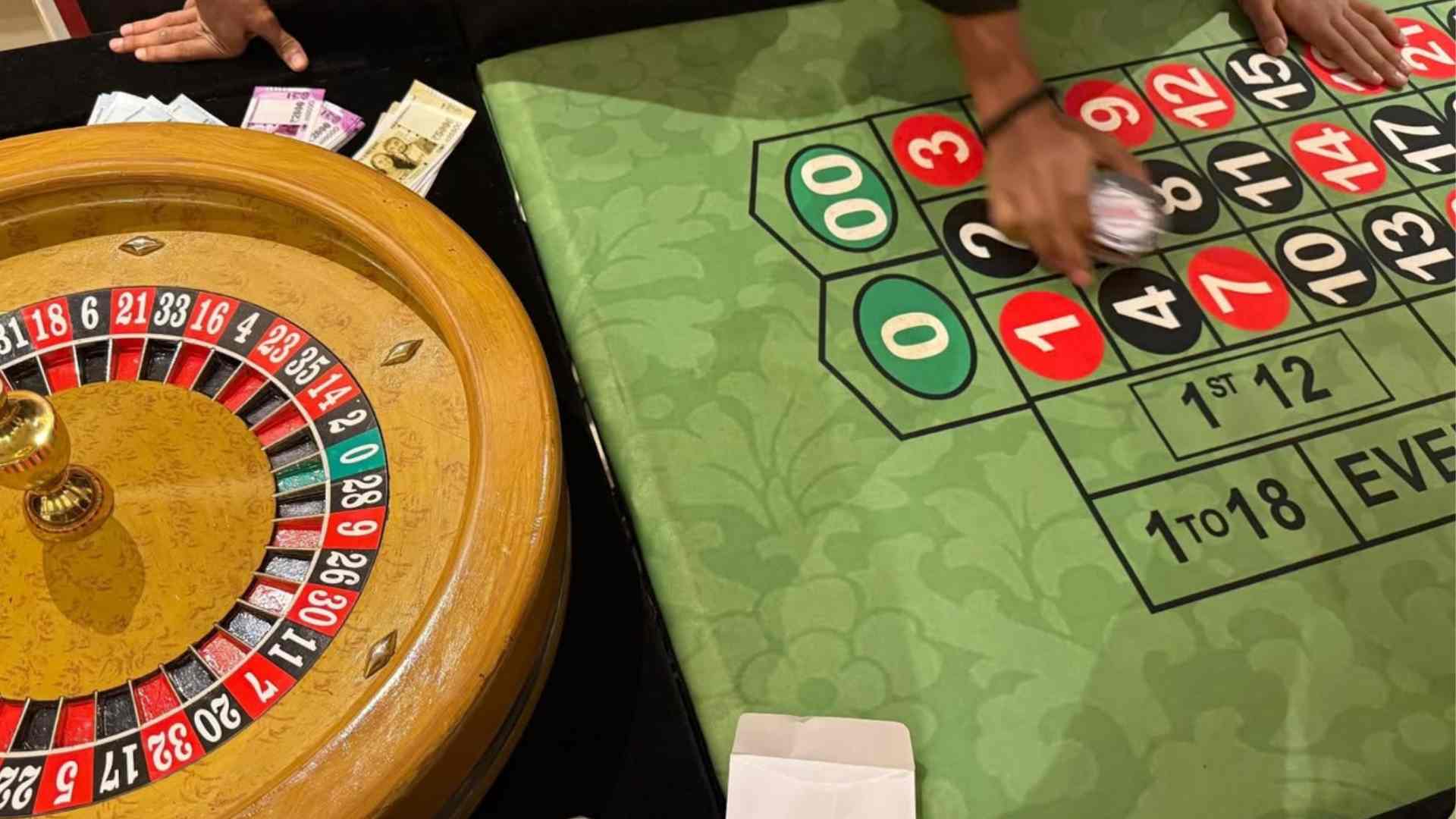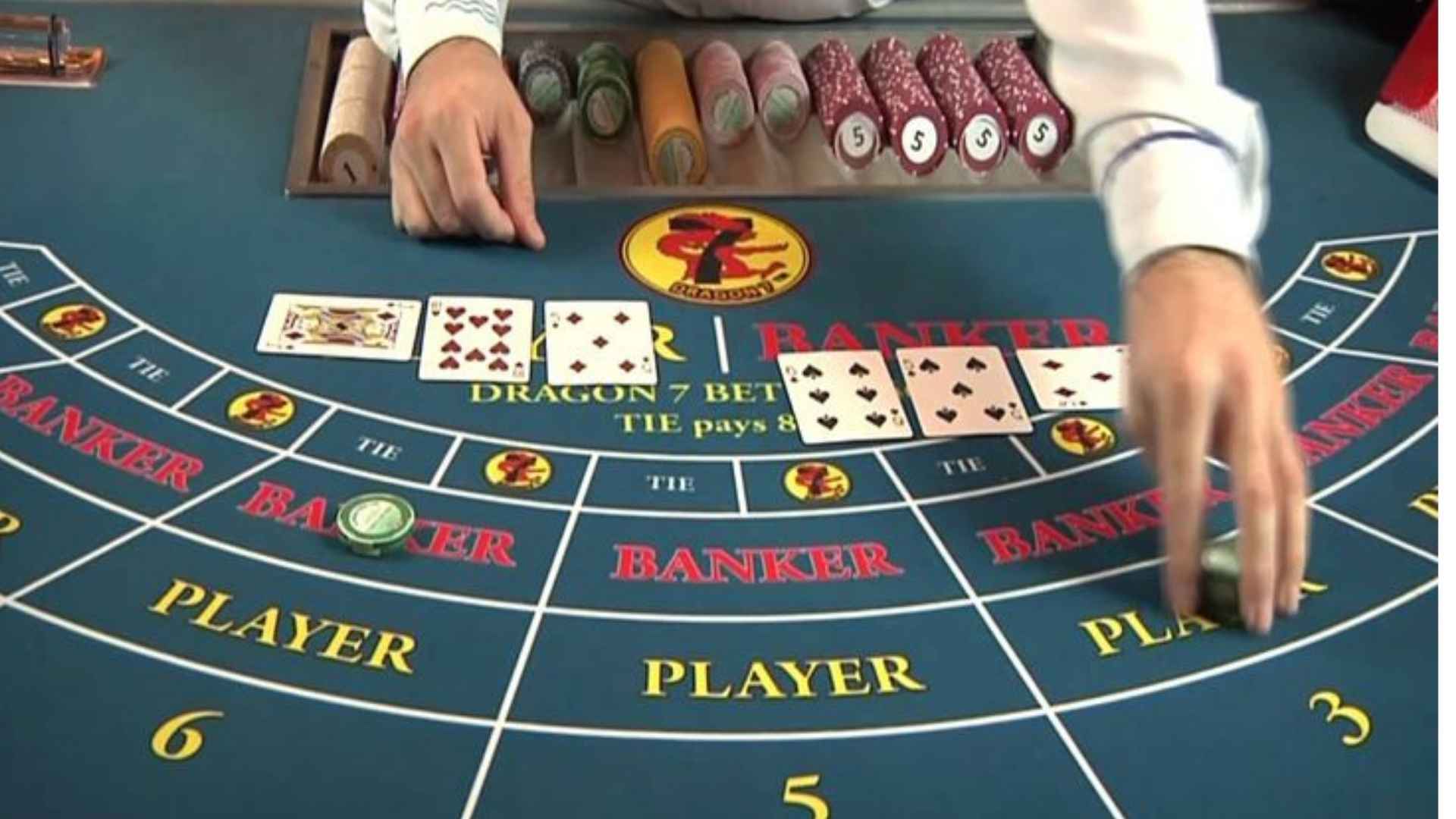
Stepping into a live card room introduces you to an environment pulsing with unspoken information and strategic undertones. While casual observers focus entirely on the dealing of cards, experienced players listen closely to a hidden dialogue that shapes every decision. Understanding this silent vocabulary is often what separates long-term winners from those who rely purely on luck.
The Psychology of Table Talk
Conversations around the felt are rarely as simple or casual as they appear to an untrained spectator. Experienced competitors often use deliberate phrases or questions to gauge their opponent's level of confidence and emotional control. This subtle form of verbal positioning can easily steer the direction of a complex hand without changing the physical chips involved.
Amateur players frequently fall into the trap of over-explaining their strategic thoughts when under extreme emotional stress. They might believe they are engaging in friendly banter, but they are actually leaking valuable clues about their actual holdings. Learning when to speak and when to remain completely silent is a foundational element of professional mastery.
Decoding Physical Tells and Pacing
The rhythm of how a player acts provides another vital layer to the complex language shared across the felt. Sudden changes in posture, chip handling, or breathing rates can expose an opponent's authentic psychological state instantly. For instance, a deliberate pause before making a large bet often points toward deep tactical calculation rather than spontaneous impulse.
Conversely, an immediate check usually signals a weak hand trying to escape further pressure without investing more capital. Recognizing these subtle variations in timing helps you navigate modern gaming arenas with far greater efficiency. Whether you are analyzing opponents in person or looking for reliable platforms like M88 to practice, tracking these behavioral baselines is essential.
Micro-Expressions and Silent Signals
The human face remains an incredibly difficult asset to regulate when substantial stakes are sitting in the middle of the table. Forced smiles, prolonged eye contact, or sudden glances at a chip stack can reveal a competitor's strategic intentions before they even speak. These brief micro-expressions emerge when the brain is overwhelmed by processing complex choices and emotional responses simultaneously.
By comparing these sudden physical reactions to an individual's normal baseline behavior, you can uncover the truth behind their deceptions. Elite players spend hours observing these silent cues to ensure they never walk into a well-constructed trap. Cultivating this high level of situational awareness transforms the game from a test of card combinations into a profound psychological battle.
Managing Your Own Table Presence
While you are busy decoding the hidden messages sent by others, you must remember that opponents are watching you just as closely. Maintaining a perfectly disciplined routine for every action prevents sharp players from gaining an informational advantage over you. Controlling your voice inflection and keeping your physical habits perfectly neutral are essential steps for long-term survival.
Consistent practice remains the most effective method to ensure your physical habits do not give away the strength of your cards. By treating every single situation with the same level of focus, you naturally become a difficult puzzle for others to solve at the table. Mastering this intricate linguistic landscape ultimately elevates your overall performance and deepens your strategic approach to the game.