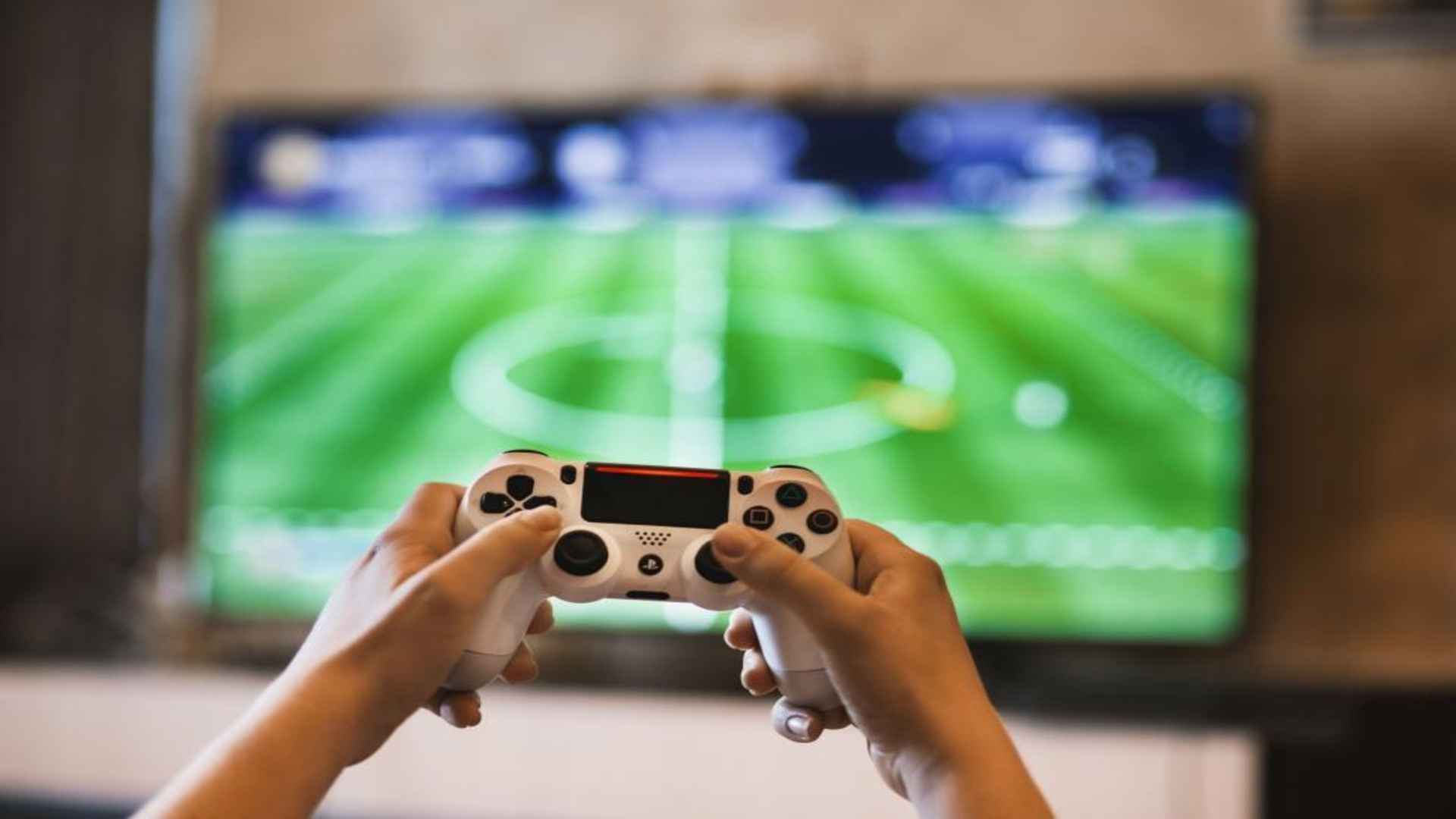
The digital evolution of arcade gaming has brought a renewed focus on titles that push human reaction times to their absolute limits. Unlike slower strategic genres, these fast-paced experiences require instantaneous decision-making and flawless physical execution to achieve high-score success.
The Science of High-Speed Reaction Training
Engaging with modern arcade challenges serves as a unique form of cognitive exercise that sharpens the connection between visual input and motor response. Research suggests that the constant bombardment of moving targets and obstacles forces the brain to process information at an accelerated rate.
Over time, players develop a heightened sense of situational awareness that translates into better performance across various real-world tasks. This mental agility is particularly evident in games that utilize randomized patterns to prevent the reliance on simple muscle memory.
By removing the predictability of traditional levels, developers ensure that every session remains a genuine test of a player's raw instincts. This commitment to variety keeps the gameplay loop feeling fresh and intensely rewarding for those seeking a true mental workout.
Mastering Precision in Action-Packed Environments
Success in the most demanding arcade titles often hinges on the ability to perform surgical movements under extreme pressure. Players must navigate narrow corridors and dodge projectile clusters while maintaining a steady offensive rhythm to maximize their score multipliers.
These environments are meticulously designed to punish even the slightest hesitation, making every frame of movement critical to survival. To stay ahead of the curve, many enthusiasts visit platforms like Mansion91 to find the latest updates on high-intensity gaming mechanics and secure portals.
Mastering these digital arenas requires a calm demeanor and a deep understanding of the game's underlying physics and timing windows. As the difficulty scales, the margin for error disappears, forcing the user into a state of total immersion known as the flow state.
The Evolution of Competitive Leaderboards and Social Play
The transition from physical cabinets to online platforms has transformed reflex-based gaming into a global competitive landscape. Real-time leaderboards allow players to see exactly how their reaction speeds compare to the top performers in different regions.
This constant comparison fuels a drive for self-improvement that keeps the community active and engaged throughout the year. Competitive events often highlight the incredible dexterity of top-tier gamers who can navigate complex patterns with effortless precision.
Social features such as spectator modes and replay sharing allow newcomers to study the techniques used by veterans to overcome specific hurdles. This collaborative learning environment ensures that the legacy of high-reflex gaming continues to thrive in the modern era.
Future Innovations in Sensory Gaming Technology
Upcoming developments in web-based gaming technology promise to reduce input latency even further, making online experiences feel as responsive as local hardware. This reduction in lag is essential for titles where a millisecond of delay can result in a game-over screen.
Advanced haptic feedback and eye-tracking integration are also beginning to play a role in how we interact with these digital challenges. These tools provide a more tactile connection to the on-screen action, enhancing the overall sense of immersion and urgency.
As developers continue to push the boundaries of what is possible within a browser, players can expect even more creative ways to test their coordination. The future of the genre looks bright as it balances nostalgic appeal with cutting-edge technical advancements.