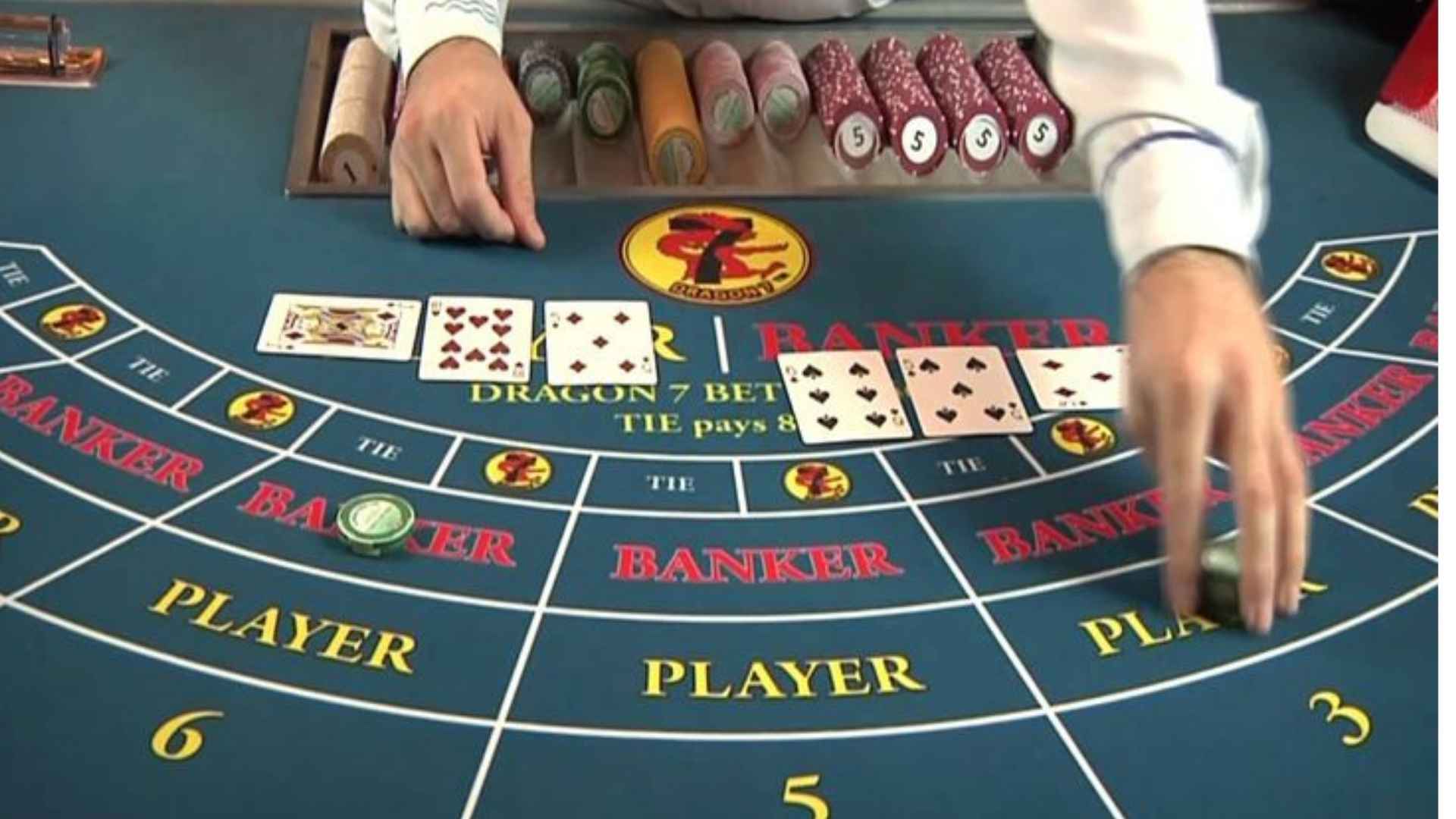
Transitioning from a casual weekend card player to a highly competitive rummy tournament expert requires a systematic upgrade of your tactical framework and mental habits. While basic matches allow room for relaxed decision-making, the structured arena of formal tournaments demands absolute precision and mathematical discipline. By focusing on advanced gameplay mechanics, emotional control, and careful game analysis, you can elevate your performance and consistently reach final tables.
Master Advanced Probability and Card Tracking
Elite competitors do not rely on favorable card deals to secure victory but instead utilize precise mathematical calculations. They actively track every single discard and pick from the open deck to reconstruct the exact hands their opponents are building. This rigorous tracking allows them to avoid discarding cards that would hand a rival player an immediate advantage.
Additionally, mastering probability helps you evaluate the risk of waiting for specific cards to complete your melds. Calculating the ratio of remaining cards in the deck ensures you only pursue statistically viable combinations rather than relying on pure luck. Exploring strategic competitive platforms like the M88 portal can provide the perfect training ground to test these calculation skills against skilled international opponents.
Adapt to Tournament Structures and Clock Pressure
Unlike slow-paced home games, structured tournaments feature strict time limits and rapid phase transitions that pressure players into making mistakes. Elite players train themselves to think several steps ahead so they can execute optimal moves within split seconds. This level of rapid cognitive processing prevents panic and keeps your strategic goals intact when the timer begins to wind down.
Furthermore, understanding the specific scoring format of each tournament round is crucial for long-term survival. You must know when to drop a weak hand early to accept a minimal point penalty instead of risking a massive point deficit. Adapting your risk tolerance based on your current standing in the overall bracket separates elite competitors from average participants.
Develop Psychological Resilience and Mind Games
The true battlefield of high-stakes card tournaments often exists within the minds of the competitors sitting around the table. Maintaining a calm and unreadable demeanor prevents opponents from deciphering the strength or weakness of your active hand. At the same time, you must learn to read subtle patterns in how others discard or hesitate to gain a psychological edge.
Managing your own frustration after a difficult round is equally essential for sustaining high-level performance over long sessions. Elite players view setbacks as temporary hurdles and maintain their strategic focus throughout multi-round events. Cultivating emotional discipline ensures that fatigue or stress does not degrade your logical decision-making when the stakes are highest.
Analyze Your Post-Game Data for Continuous Growth
Becoming an elite competitor is a continuous journey of self-improvement that extends far beyond the final match of any single event. Dedicated players record their gameplay decisions and review key hands to identify recurring tactical errors. This structured post-game analysis allows you to patch strategic vulnerabilities before your next competitive appearance.
By treating every win and loss as a valuable data source, you can gradually refine your approach to diverse playing styles. Studying the habits of championship players and comparing your choices to theirs accelerates your development. Over time, this commitment to consistent practice and honest self-evaluation turns a promising beginner into a feared tournament master.